Dragon Tiger Ties: Why an Extra Outcome Changes the Description
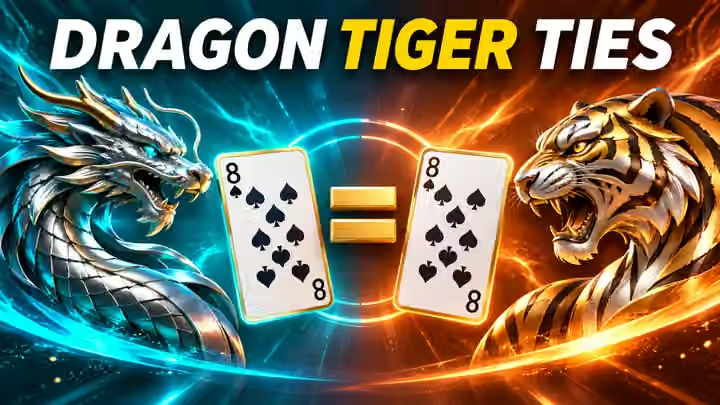
Two large labels can make Dragon Tiger look like a question with only two possible answers. Equal-ranked cards introduce another possibility that must be described explicitly. This Profit Tips guide focuses on that missing context rather than on playing decisions.
A tie is not a small-print detail
Card comparison products need a defined procedure for equal ranks. The treatment of suits, card values, decks and exceptional rounds also belongs in the rules. A screen showing only Dragon and Tiger in large lettering may still contain a separate tie definition elsewhere. Visual emphasis does not determine the full set of outcomes.
Compare complete descriptions
Two products can use the same theme while treating equal ranks or particular cards differently. A result explanation from one version is not automatically a reference for the other. Profit Tips uses version-specific wording whenever a claim depends on those details. Broad statements about a universal outcome distribution would be misleading without the relevant assumptions.
Do not substitute branding for documentation
A dragon illustration, a tiger emblem or a live camera feed tells the reader very little about the mathematical model. A useful description identifies what is being compared, when a round is final and where disputed or interrupted results are recorded. Those questions remain relevant even when the interface feels familiar.
An educational article should acknowledge ambiguity rather than invent missing rules. It should also avoid implying that a two-sided design creates equal financial terms or makes losses impossible. This Profit Tips overview explains why ties and exceptions deserve attention when reading a game description, without suggesting a wager or a preferred outcome.
Further reading
Editorial review draft · 17 November 2026. Illustrative artwork. Educational coverage; no provider endorsement or assurance of financial safety.