Top 3 wicket-takers from the NZ vs IND ODI series
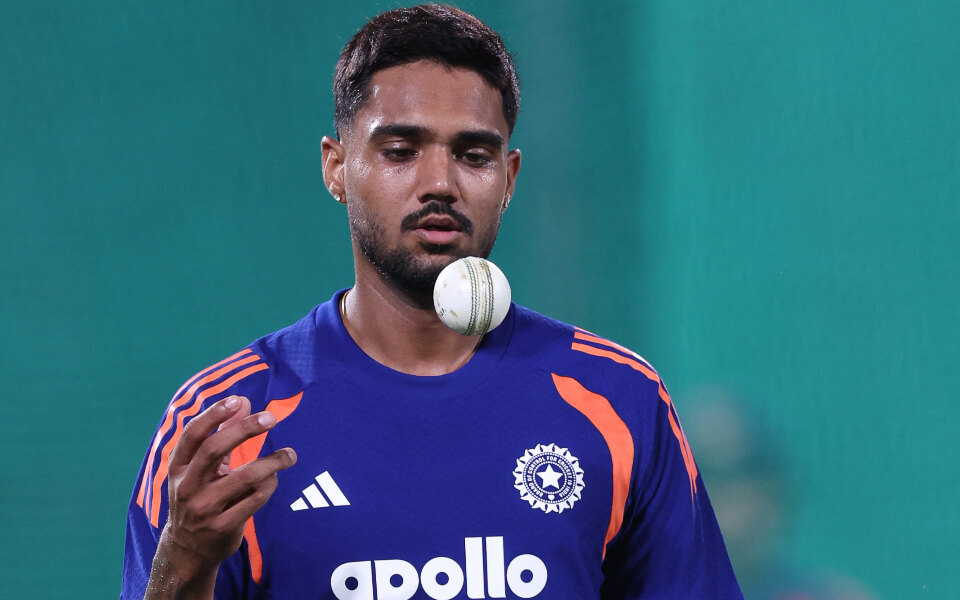
India secured the five-match ODI series against New Zealand 3-1, winning the 1st, 2nd and 5th ODIs while the 3rd was abandoned due to rain and the Kiwis claimed the 4th. Conditions across the series favoured fast bowlers, and the wicket column reflected that throughout.
Several bowlers from both sides made their mark, but three names stood out at the top of the wicket-takers chart by the time the IND ODI series concluded. Below is a look at the top 3 wicket-takers from the New Zealand versus India ODI series.
3. Matt Henry, Axar Patel and Matthew Fisher (joint 3rd — 6 wickets each)

Right-arm seamer Matt Henry featured in only the 4th ODI for New Zealand, yet his 6/27 in that match single-handedly powered the Kiwis to their only series victory. Henry finished with 6 wickets from that solitary appearance, making his return the most economical burst of the series in terms of wickets per game.
Sharing joint third place with Henry were India's left-arm spinner Axar Patel and New Zealand seamer Matthew Fisher, each also finishing on 6 wickets. Axar played 4 games and maintained an economy rate of 3.55, with his control through the middle overs standing out across the series. Fisher, who also claimed 6 wickets, operated at an economy of 4.56, with his best effort coming in the 4th ODI when he returned 3/31 from 4 overs.
2. Arshdeep Singh (2nd — 8 wickets)
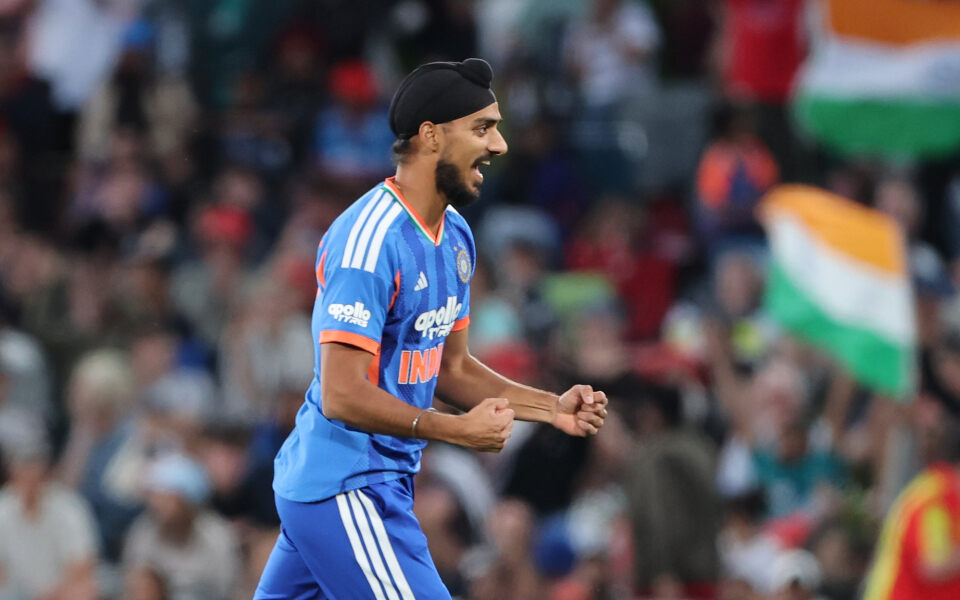
Arshdeep Singh was India's standout bowler across the series, claiming 8 wickets from 4 matches at an economy rate of 4.62. The left-arm pacer, who had already established himself in the shortest format, used this series to underline his value as a 50-over bowler for India as well.
1. Gurnoor Brar and Jacob Duffy (joint 1st — 9 wickets each)
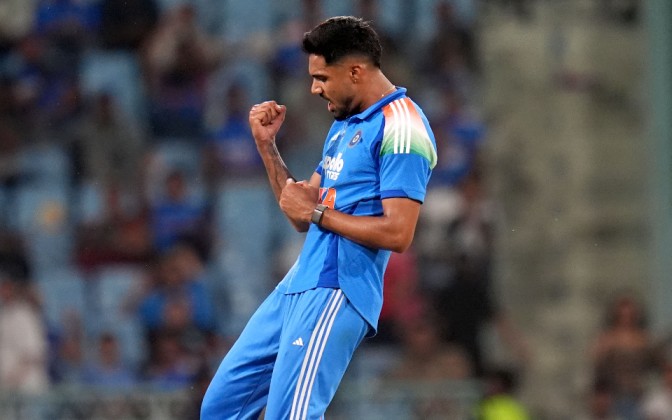
Gurnoor Brar and Jacob Duffy shared the top spot, each taking 9 wickets in the series. Brar reached that tally from just 3 matches and bowled at an economy of 4.88, earning him the Player of the Series award for his efforts. Meanwhile, Duffy also played 3 matches and claimed 9 wickets, though his economy of 6.50 was considerably higher than Brar's. However, New Zealand's bowling resources were spread unevenly, and the fact that Duffy and Henry were never paired together across all games left a question over what the Kiwis might have achieved a much better result had they bowled in tandem.
Source: View original article