UPI Collect Requests and QR Scams: Recognising the Direction of a Payment
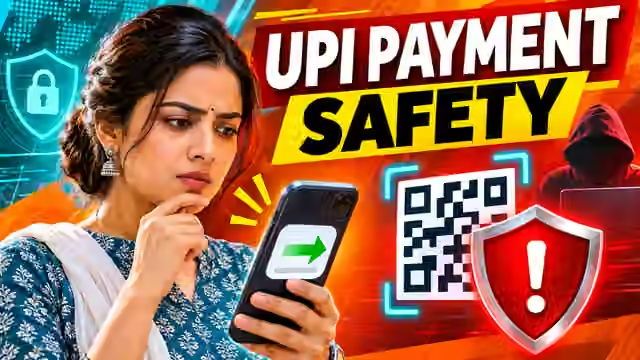
Payment fraud often works by confusing receiving money with authorising money to leave an account. A screen can look reassuring while asking the user to approve an outgoing transaction. Profit Tips explains this distinction using general payment-safety guidance rather than claiming that any website is safe.
Read the action, not just the message
A caller may describe a refund or prize while sending a request that actually asks for payment. NPCI warns that entering a UPI PIN in this context authorises sending money, not the receipt of a promised credit. The wording and amount on the official payment screen matter more than the caller's explanation.
QR codes do not establish trust
A QR image is a way to encode information. It does not verify the honesty of the person who supplied it or the purpose they claim. Profit Tips treats pressure to scan quickly, approve an unexpected request or share a screen as a reason to stop and inspect what is being requested.
Use independent contact channels
If an unexpected payment instruction claims to come from a bank or service, contact that organisation through a channel independently obtained from its official app or website. Do not use a phone number supplied only in the suspicious message. Never disclose a PIN or OTP to a purported helper.
If money may have left the account unexpectedly, contact the bank or payment provider promptly and preserve the transaction reference. This Profit Tips article does not guarantee recovery or endorse a payment recipient. Familiar branding, a chat promise and a QR code are not substitutes for verifying the actual transaction.
Further reading
Editorial review draft · 17 November 2026. Illustrative artwork. Educational coverage; no provider endorsement or assurance of financial safety.