Virat Kohli's '60 overs of hell' speech resurfaces after India's draw in Wellington
Wellington's Basin Reserve witnessed a curious end to the first Test between India and New Zealand on November 23, 2026, when captain Shubman Gill offered the handshake with 15 overs still on the clock. At that point, the hosts were 239 for 5, trailing by 113 runs, and five wickets remained for India to claim. The decision drew immediate scrutiny from fans and commentators who felt the match was still within reach.
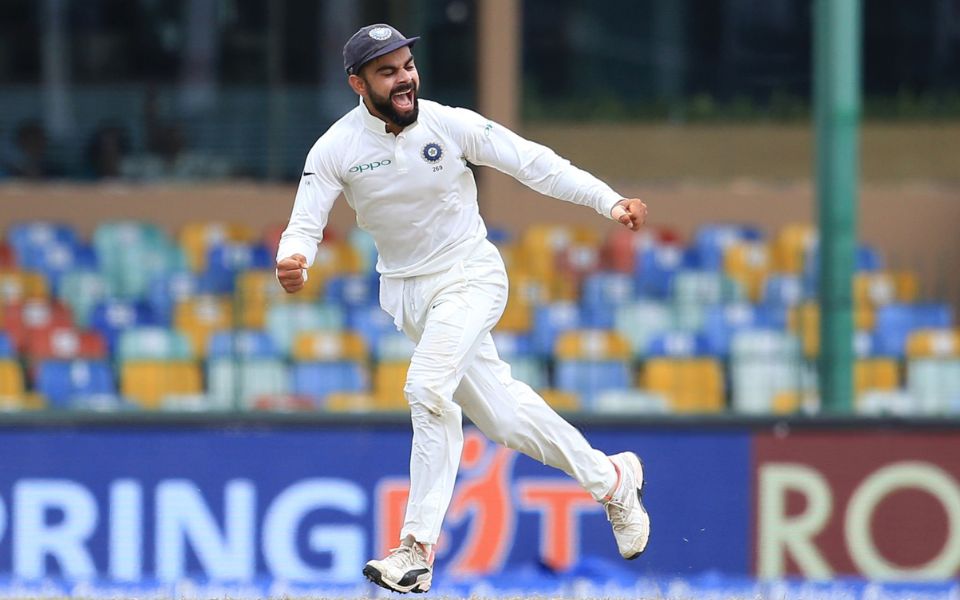
The reaction quickly turned the spotlight on a contrasting moment from August 16, 2021, when Virat Kohli gathered his players before the final day of the Lord's Test against England and demanded they treat the remaining overs as an all-out assault. That address, recalled for the phrase '60 overs of hell', became one of the most cited examples of aggressive Test leadership in Indian cricket. Kohli's rallying call stood in sharp contrast to Gill's conservative choice at Wellington, and the comparison dominated post-match discussion.
60 Overs Of Hell…. ft. Captain Virat Kohli….. pic.twitter.com/LPfmPgOXnv
— CLaus (@TheNameIsClaus) May 5, 2026
Why did Gill settle for the draw with overs remaining?
Gill pointed to the physical condition of his fast bowlers as the central factor in his thinking. The pacers had carried a heavy workload across the match, and with the second Test at Hagley Oval in Christchurch scheduled to begin on November 27, 2026, the turnaround left little room for recovery. Preserving their fitness ahead of that fixture took priority over pressing for the final five wickets.
The context of the match supported his concern. India had batted substantially in their innings, declaring on a mammoth 720/9, meaning the fast bowlers had already spent considerable time in the field before the final day. Both captains ultimately agreed to the draw with New Zealand on 239 for 5, a scoreline that reflected how far the hosts still had to go but also how much effort India's attack had already expended.
How does Gill's approach compare with Kohli's at Lord's in 2021?
The contrast drawn by commentators was direct. At Lord's on August 16, 2021, Kohli's instinct was to push hard with time available, and India went on to win that Test against England by 151 runs. Five years on, Gill's instinct at Wellington was to manage resources for the next assignment rather than chase a result that was possible but not certain.
Whether the Wellington draw was the correct call remains open to debate. What the episode confirmed is that the two captains have approached similar situations with markedly different priorities. India will have an opportunity to demonstrate their intent when the second Test begins in Christchurch on November 27, 2026.
Source: View original article